If last winter taught us anything, it’s that preparation pays off. As October fades and frost starts to settle in, there’s still time to give your garden a little extra care before everything goes quiet for the season. A few smart steps now will protect roots, preserve soil health, and set your perennials and trees up for a strong comeback next spring.
Here are four things to do right now to help your garden handle the months ahead:
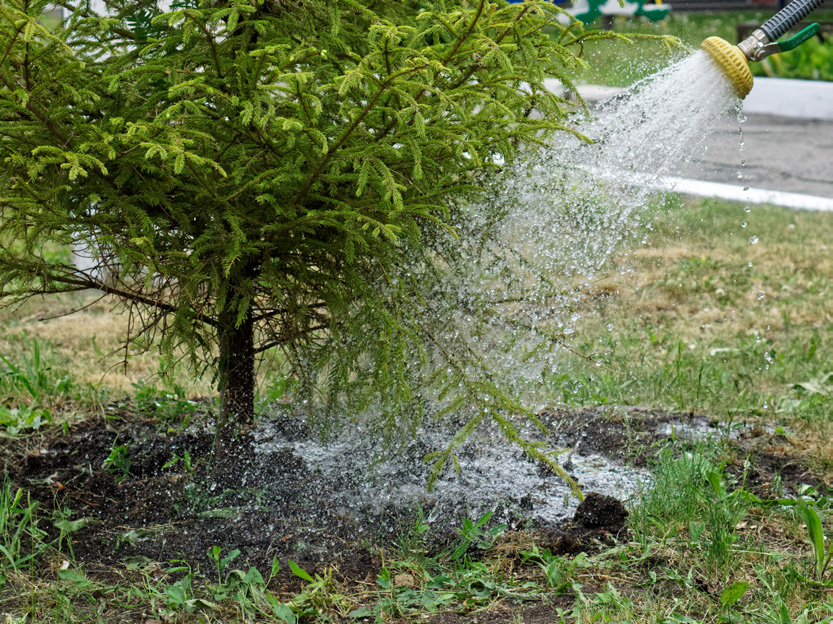
Water Deeply Before the Ground Freezes
It might seem counterintuitive, but moisture is one of your best defenses against winter damage. Dry soil freezes harder and faster, which can damage roots.
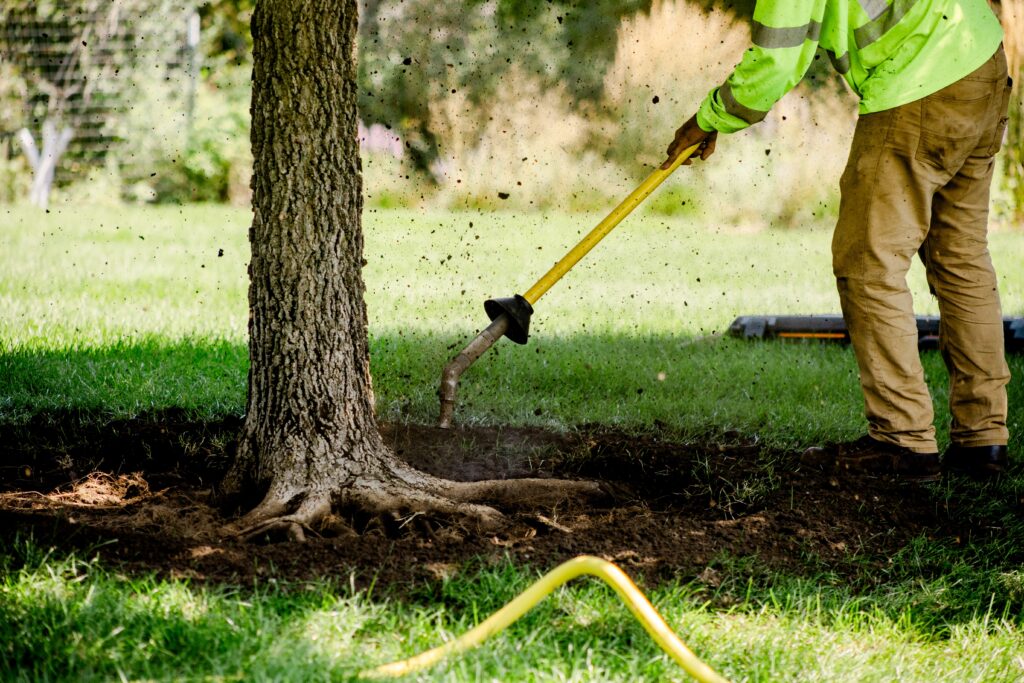
Give your perennials, trees, and shrubs a deep soak before the ground freezes. Pay special attention to newly planted or young trees and evergreens, which can lose moisture through the winter. A final watering helps roots stay hydrated and resilient.
Tip: When you’re putting your garden hoses away for the winter. Give your trees, shrubs, and perennials a final deep soak before it freezes.
2. Mulch for Warmth and Protection
Mulch acts like a blanket for your garden. Once the ground begins to freeze, add 2–3 inches of mulch over your perennials to insulate root systems and reduce temperature fluctuations. Wood mulch works best, but dry leaves or straw can also do the job if secured.
Avoid mulching too early. Wait until the soil is cold but not solidly frozen, usually around mid-November in southeastern Minnesota. This helps prevent rodents from nesting and ensures plants have fully gone dormant before being tucked in for winter.
3. Cut Back Selectively
Not all perennials should be cut back in fall. Remove spent foliage from soft, leafy plants, like hostas and daylilies, once it’s naturally died back to help reduce pest and disease issues.
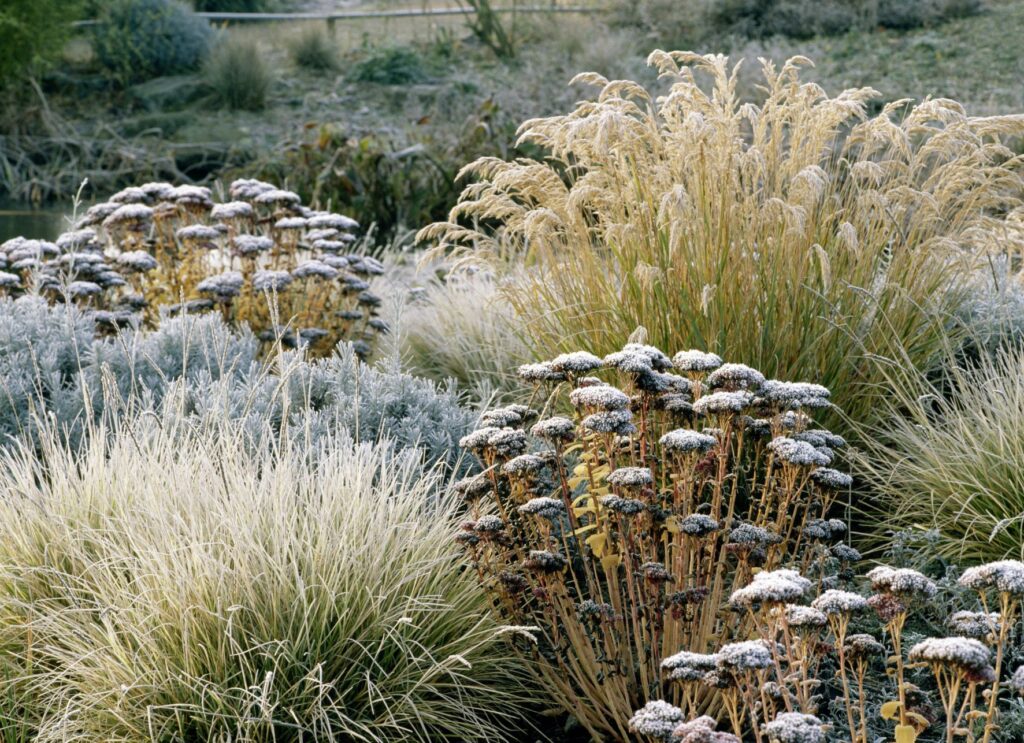
Leave plants like coneflowers, rudbeckia, and ornamental grasses standing. Their seed heads provide food for birds, and the stems add texture and movement through winter while helping trap snow for extra insulation.
4. Use Wilt Spray on Evergreens and Boxwoods
Evergreens and boxwoods can lose moisture through their foliage during winter, leading to brown or scorched leaves by spring. Applying a wilt spray (such as Wilt Stop) in late fall helps lock in moisture and prevent winter burn. Be sure to spray on a mild, dry day when the temperature is above freezing.
Find Wilt Stop and more winter protection products at Sargent’s!
Wrap Trees to Protect from Deer, Wind & Winter Cracks
Young trees and exposed evergreens are vulnerable to winter damage from windburn and deer rubbing. Wrapping the trunk and lower branches with a light-colored, breathable material (such as burlap or tree wrap paper) helps regulate temperature fluctuations, prevent bark splitting, and deter animal damage.
For best results:
Begin wrapping in November once leaves have dropped and the tree is fully dormant.
Wrap from the base up to the first major branches, loosely enough to allow air circulation.
Remove the wrap in early spring (after the final hard frost) to prevent moisture buildup under the wrap and to allow the trunk to expand naturally.
If deer are an issue on your property, consider adding a stake-and-burlap wind and animal barrier around the tree’s perimeter. This dual approach protects against both rubbing and harsh winter winds.
Incorporating this step into your late-fall prep will help safeguard your trees this winter and give them a stronger start next spring.
We’re Here to Help
Late fall garden prep gives your plants a head start for next year and sets them up for a strong life. A deep watering, well-timed mulch layer, and selective pruning now will help your landscape weather the winter in stride.
Not sure when to start or what to cut back? Stop by Sargent’s! Our team is happy to help you make a plan for a strong and healthy garden.