Birds bring life, movement, and sound to our gardens in every season. It is a great time to look at how our landscapes can support birds not just in winter, but year-round. From the plants we choose to the way we provide food and water, even small changes can make a meaningful difference for the birds that share our space.
This guide covers how plants feed birds through winter, which birds you are likely to see at your feeders and in your garden, the signs of spring migration, and simple ways to attract more birds in every season.
Feeding Birds Through the Winter
Winter can be one of the hardest times of year for birds. Natural food sources are limited, and birds rely heavily on landscapes that offer seeds, berries, and shelter.
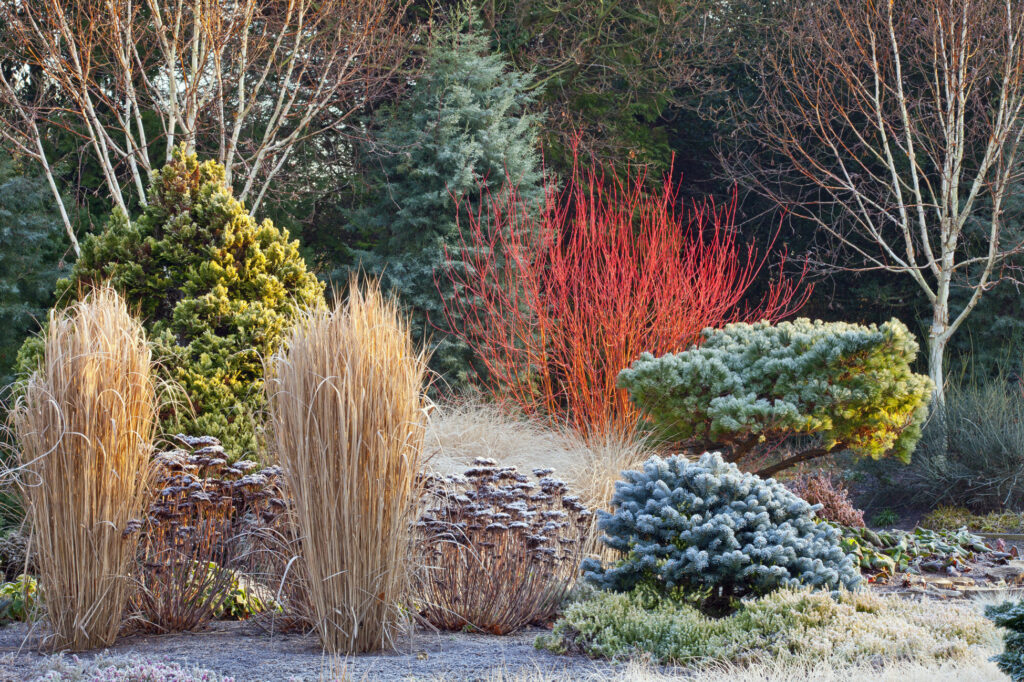
Many trees, shrubs, and perennials continue to provide food long after the growing season ends. Cone-bearing evergreens offer both seed and protection from wind. Shrubs with persistent berries become important winter pantries when snow covers the ground. Perennials and ornamental grasses that are left standing provide seed heads that birds can forage on throughout winter.
Key Plants for Birds: Shrubs & Vines (Berries/Shelter): Serviceberry, Elderberry, Dogwood, Winterberry, Holly, Viburnum, Spicebush, and Trumpet Honeysuckle. Perennials (Seeds/Nectar): Purple Coneflower, Black-eyed Susan, Asters, Sunflower, Bee Balm, Goldenrod, and Cardinal Flower. Trees (Nesting/Food): White Oak, Flowering Dogwood, Magnolia, and Crabapple. Evergreens (Shelter): Pine, Spruce, and Juniper.
A bird-friendly winter garden often looks a little untidy, and that is a good thing. Leaving seed heads, grasses, and fallen plant material in place helps birds find food while also offering insulation and cover during cold months.
Identifying Common Birds Your Plants and Feeders Attract
The combination of plants in your landscape and the type of feeders you use plays a big role in which birds visit your yard.
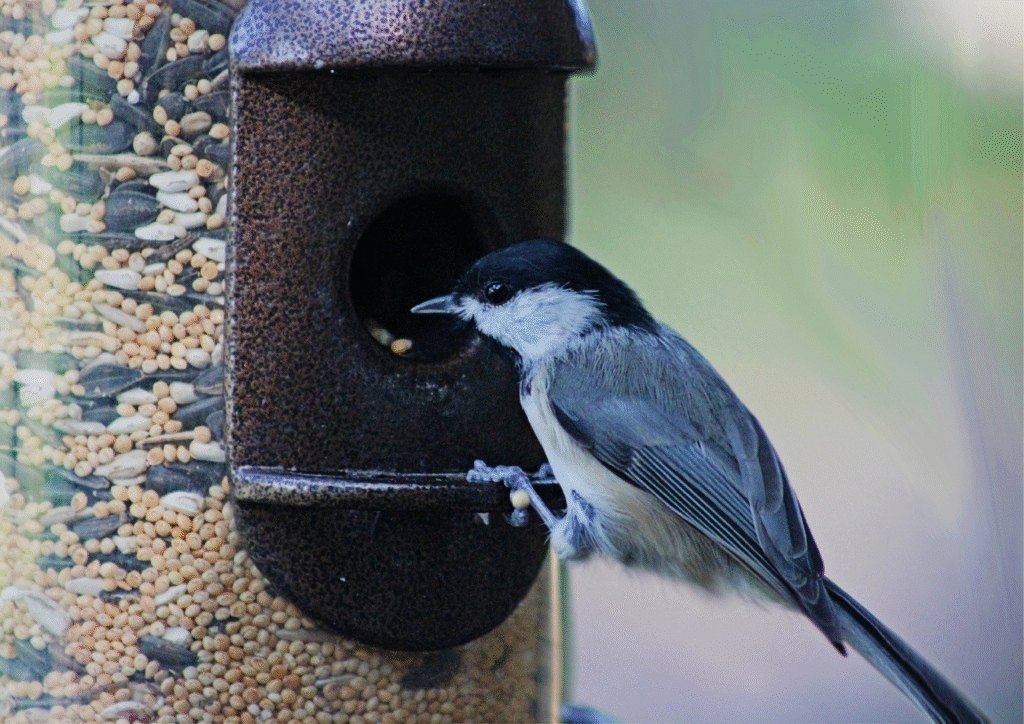
Chickadees and nuthatches are frequent winter visitors, especially in gardens with trees and feeders offering sunflower seeds or suet. Finches are drawn to seed heads in the garden and feeders filled with nyjer or fine seed blends. Cardinals prefer areas with dense shrubs for cover and larger seeds at feeders. Woodpeckers are often spotted near suet feeders and mature trees that provide insects and shelter.
By observing where birds land, feed, and take cover, you can start to understand what your landscape is already providing and what it may be missing.
Signs of Spring
One of the earliest signs of spring is the return of migrating birds. As daylight increases and temperatures slowly rise, birds begin making their way back to familiar breeding grounds.
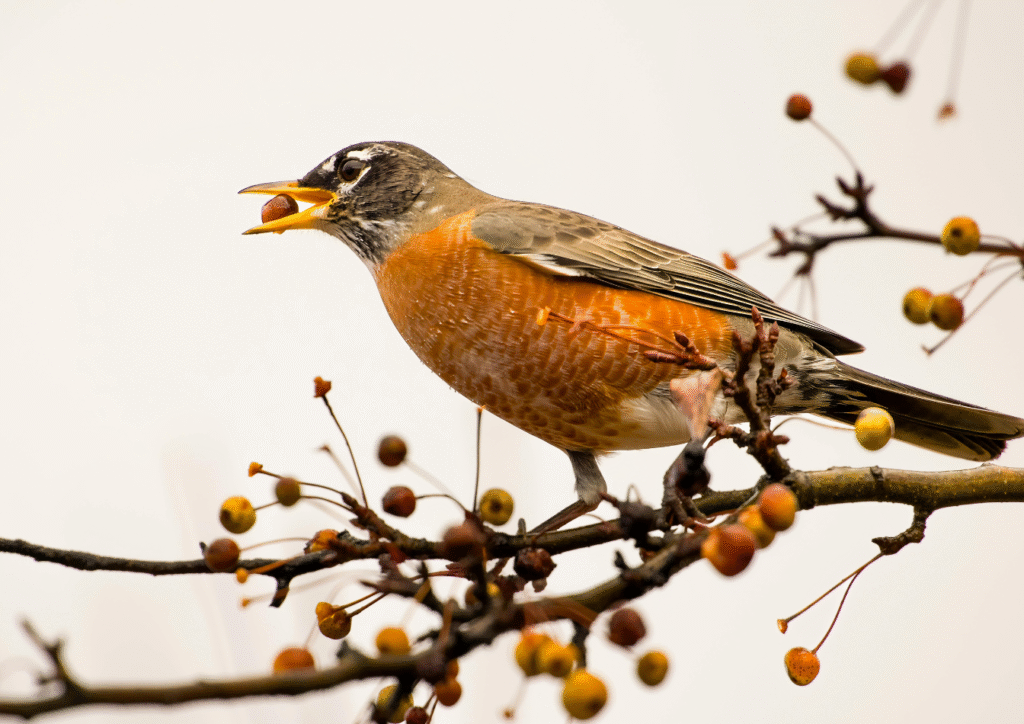
Early spring often brings robins, red-winged blackbirds, and grackles. As the season continues, songbirds follow, filling gardens with movement and sound. These returning birds are searching for food, water, and safe places to nest. Landscapes that offer early blooms, insects, and reliable water sources, like fountains, are especially valuable during this transition.
Seeing these birds return each year is a reminder that gardens are part of a much larger ecosystem.
How to Attract More Birds to Your Garden
Choose the Right Plants
Trees and shrubs form the backbone of a bird-friendly landscape. They provide shelter, nesting sites, and food sources throughout the year. Perennials and grasses add seasonal food and nesting materials while also supporting insects that many birds rely on, especially in spring and summer.
Native plants are especially beneficial because they support the insects that birds need to feed their young.
Use Feeders Thoughtfully
Feeders are a great supplement to natural food sources. Placement matters. Feeders should be positioned near cover but far enough away to reduce predator access. Keeping feeders clean and refreshing seed regularly helps protect bird health.
Different feeder styles attract different species, so offering a variety can increase the diversity of birds you see.
Add Water
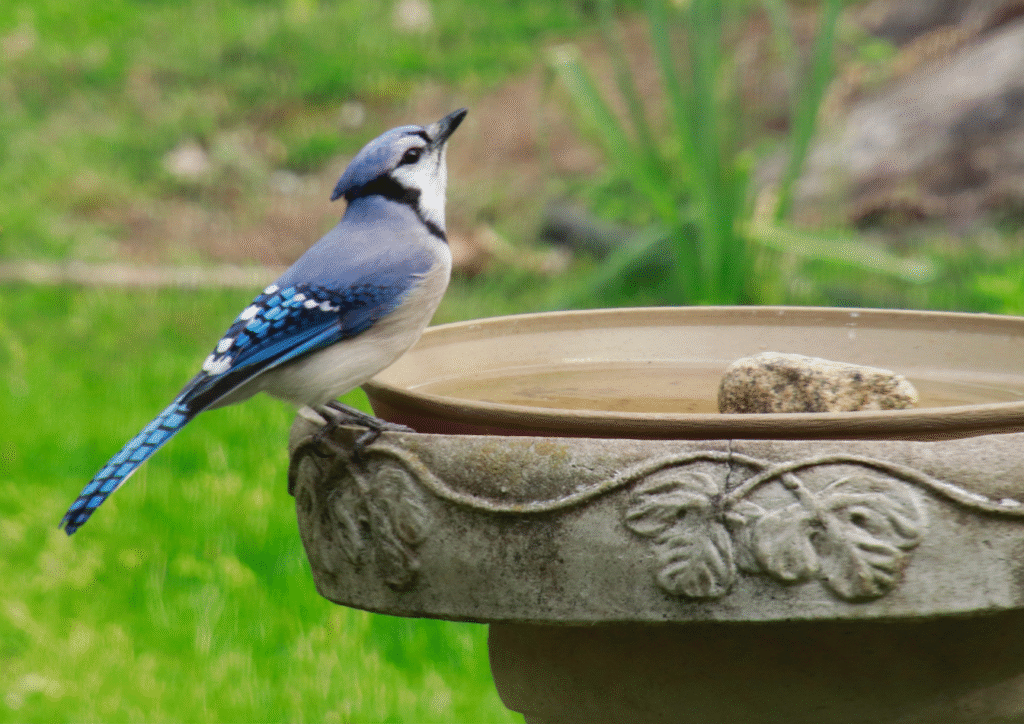
Water is often the most overlooked element of a bird-friendly garden. A simple bird bath can attract birds even when food sources are abundant. Moving water is especially appealing and can draw birds from farther away. In winter, keeping water from freezing gives birds a critical resource when natural sources are unavailable.
Bird-Friendly Tips for Every Season
Spring: Be mindful of pruning and cleanup as birds begin nesting. Leaving some areas undisturbed can protect nests and young birds.
Summer: Provide fresh water and shaded areas during hot weather. Gardens with dense plantings help birds stay cool and safe.
Fall: Allow seed heads and berries to remain as birds prepare for migration. This is a key time for fueling long journeys.
Winter: Offer consistent food sources and shelter from wind. Evergreens and standing plants make a noticeable difference.
A Garden Worth Watching
Creating a bird-friendly garden does not require a complete overhaul. Often, it starts with leaving plants standing, choosing the right varieties, and paying attention to the birds already visiting your space. Take time to slow down, observe, and appreciate how your garden supports wildlife in every season.
Looking to Incorporate Bird-Friendly Plants in Your Next Landscape Project?
Sargent's is ready to give your yard a refresh that will have a lasting impact for years to come!