Houseplant Lighting: Brightening Your Plants’ Lives
If houseplants could talk, many of them would ask for better lighting. Light is the fuel that powers growth, leaf color, flowering, and overall plant health. Understanding light does not have to be complicated. A few simple guidelines can help you place plants with confidence and keep them thriving all year long.
Why Light Matters
Plants use light to photosynthesize, turning energy into growth. Too little light often leads to leggy stems, smaller leaves, faded color, and slow growth. Too much light can scorch leaves, cause crispy edges, or bleach foliage. The goal is not always maximum light, but the right light for each plant.
Understanding light levels indoors
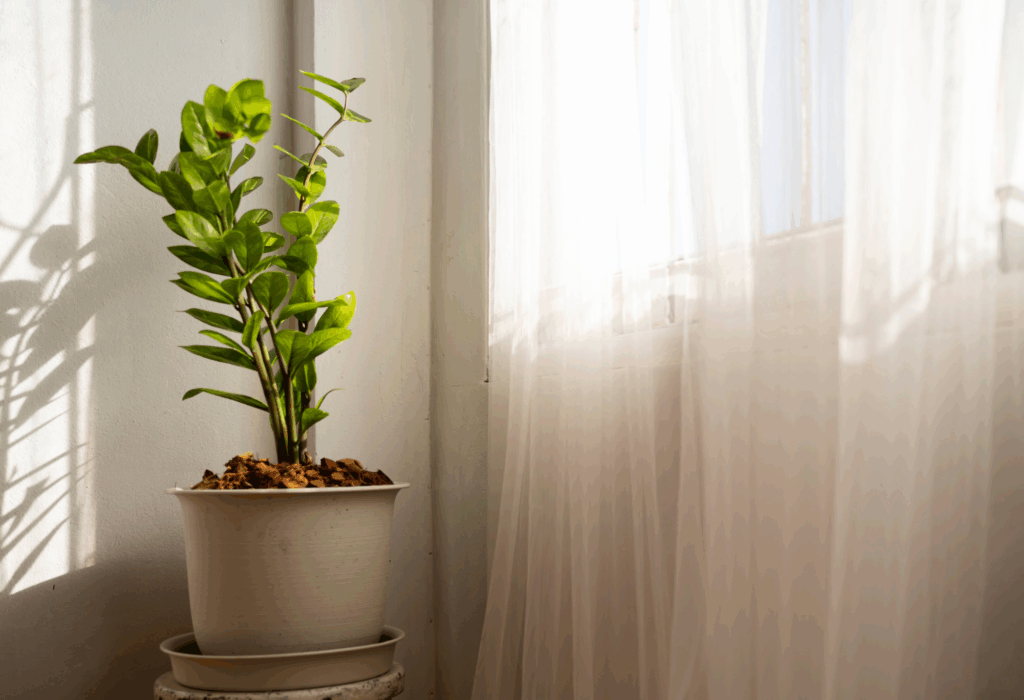
When plant tags mention low, medium, or bright light, they are describing intensity, not how bright a room feels to you. Bright light means strong, indirect light near a window. Think a few feet back from a south or west-facing window. Many flowering plants and sun-loving foliage plants prefer this. Medium light is filtered or indirect light, farther from windows, or near a bright window with sheer curtains. This suits a wide range of popular houseplants. Low light does not mean no light. These plants tolerate fewer hours or lower intensity light, often several feet from a window or in north-facing rooms. Growth will be slower, but still healthy when expectations match conditions.
Window Direction Makes A Difference
In the Midwest, window exposure strongly affects indoor light. • South-facing windows provide the most consistent light throughout the day. Great for bright light plants, especially in winter. • West-facing windows offer intense afternoon light. Some plants may need to be pulled back to avoid leaf burn. • East-facing windows give gentle morning light that many plants love. • North-facing windows provide soft, indirect light. Best for low to medium light plants.
Seasonal Changes to Keep in Mind
Light shifts with the seasons, especially in winter. Shorter days and lower sun angles mean less intensity, even in bright windows. Plants may grow more slowly or pause growth altogether, which is normal. Resist the urge to overwater during this time. In summer, the opposite can happen. Light intensity increases and sun angles change. A plant that was happy in spring may need to be moved back slightly to prevent scorching.
Using Grow Lights Successfully
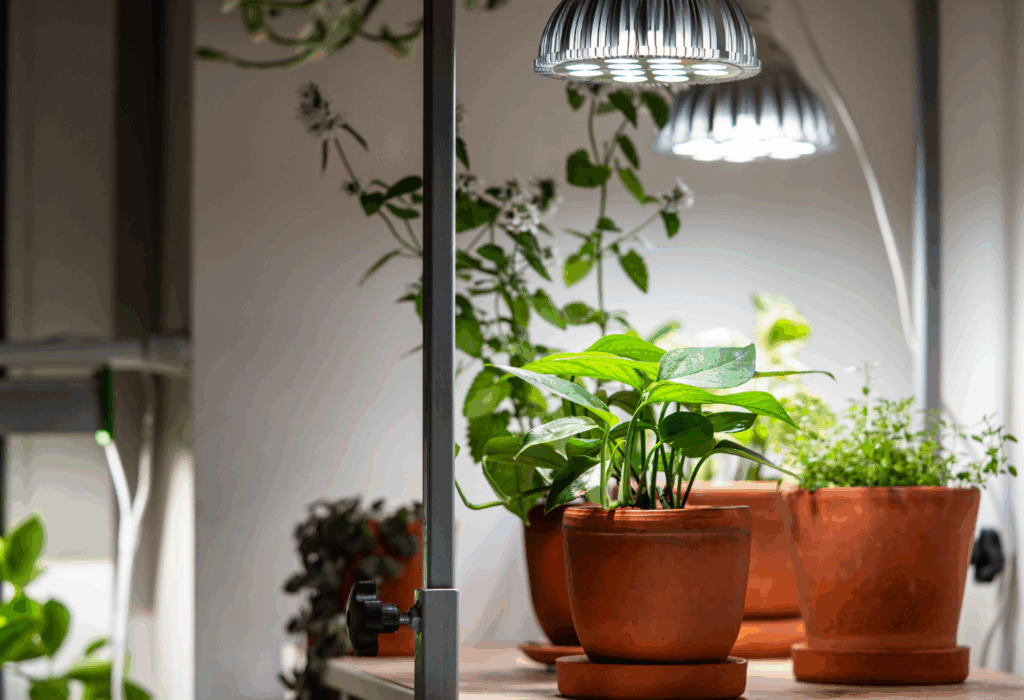
Grow lights are a helpful tool, not a sign of failure. They are especially useful for dark homes, offices, or winter months.
• Place most grow lights 6 to 18 inches above plants, depending on the fixture. • Aim for 10 to 14 hours of light per day. • Use a timer for consistency. Full-spectrum LED grow lights are energy-efficient and work well for most houseplants. Note: Grow lights are an amazing tool, but no plant is designed to have 24/7 lighting. Don’t forget to let your plants rest!
Common Lighting Myths
“Low-light plants do not need windows.” False. All plants need some natural or supplemental light.
“More light always equals faster growth.” Not true. Too much light can stress plants just as much as too little.
“Artificial light cannot replace sunlight.” It can, when used correctly and consistently.
When in Doubt, Observe The Plant
Plants are great communicators if you know what to look for. Leaning toward light, stretched stems, or smaller new leaves suggest a need for more light. Pale patches, crispy edges, or faded color can point to too much.
Lighting is one of the most powerful tools you have as a plant parent. With a little observation and a few adjustments, you can help your houseplants look better, grow stronger, and bring more life into your home.
If you ever feel unsure, our team at Sargent’s is always happy to help you match the right plant to the right light.