Feeding Your Houseplants: Simple Fertilizing Tips for Healthy Growth
If houseplants could talk, many of them would ask for the right nutrition. Fertilizer fuels growth, supports strong roots, and helps plants produce vibrant foliage and blooms. The good news is that fertilizing does not have to be complicated. With a few simple guidelines, you can feed your plants with confidence and keep them thriving.
Why Fertilizer Matters
Plants use nutrients to grow, develop roots, and maintain overall health. Without enough nutrients, plants may struggle with slow growth, pale leaves, or weak structure. On the other hand, too much fertilizer can cause damage just as easily. The goal is balance, giving plants what they need without overdoing it.
When to Fertilize in Minnesota
In Minnesota, fertilizing follows the natural growing cycle. Most houseplants actively grow from April through September, which is when they benefit most from regular feeding. During this time, aim to fertilize every 2 to 5 weeks, depending on the plant and product you are using.
In winter, growth slows due to shorter days and lower light levels. Most plants do not need fertilizer during this time. The exception is plants growing under consistent grow lights, which may continue to grow and can be fertilized lightly year-round.
Not All Plants Have the Same Needs
Different plants require different levels of nutrients.
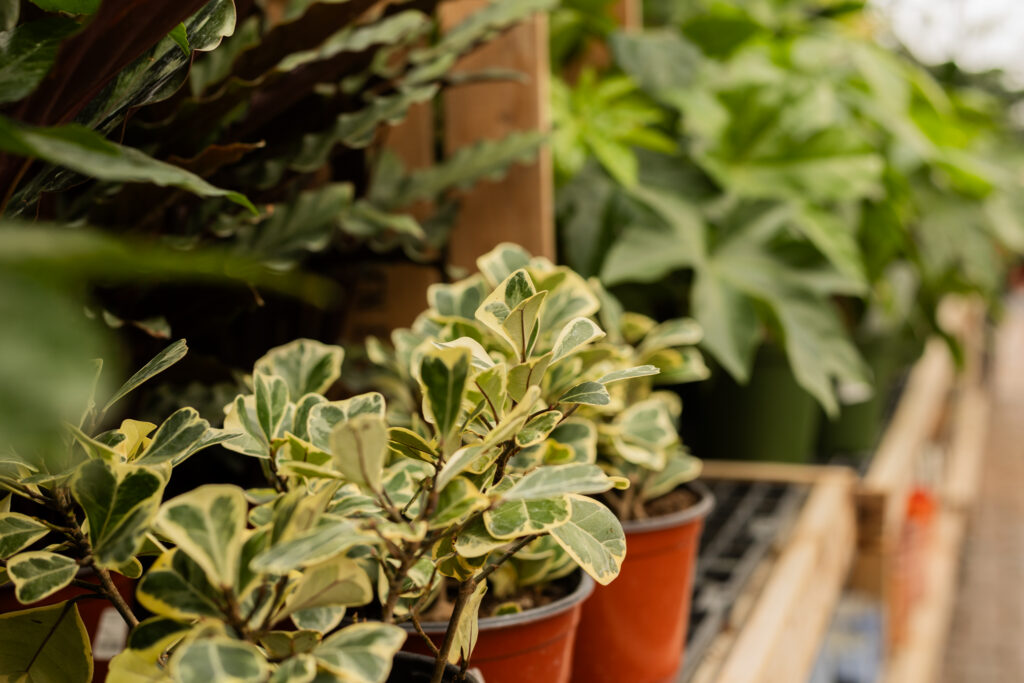
Tropical houseplants are typically heavier feeders and benefit from more regular fertilizing during the growing season.
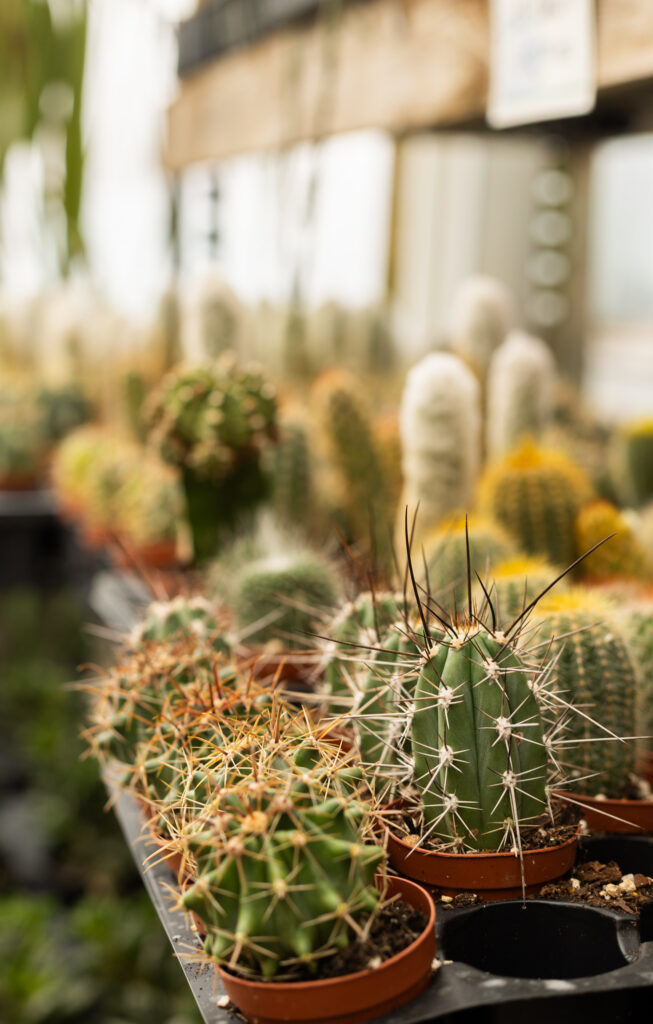
Cacti and succulents, which are adapted to lean desert conditions, require much less fertilizer. Overfeeding these plants can lead to poor health and unwanted growth patterns.
For flowering houseplants, a bud and bloom fertilizer can support better flower production. However, these fertilizers should not be used on non-blooming plants, as the nutrient balance is not ideal for foliage growth.
Choosing the Right Fertilizer
There is a wide variety of fertilizers available, and many work well. Often, it comes down to personal preference, whether you prefer liquid, granular, or slow-release options.
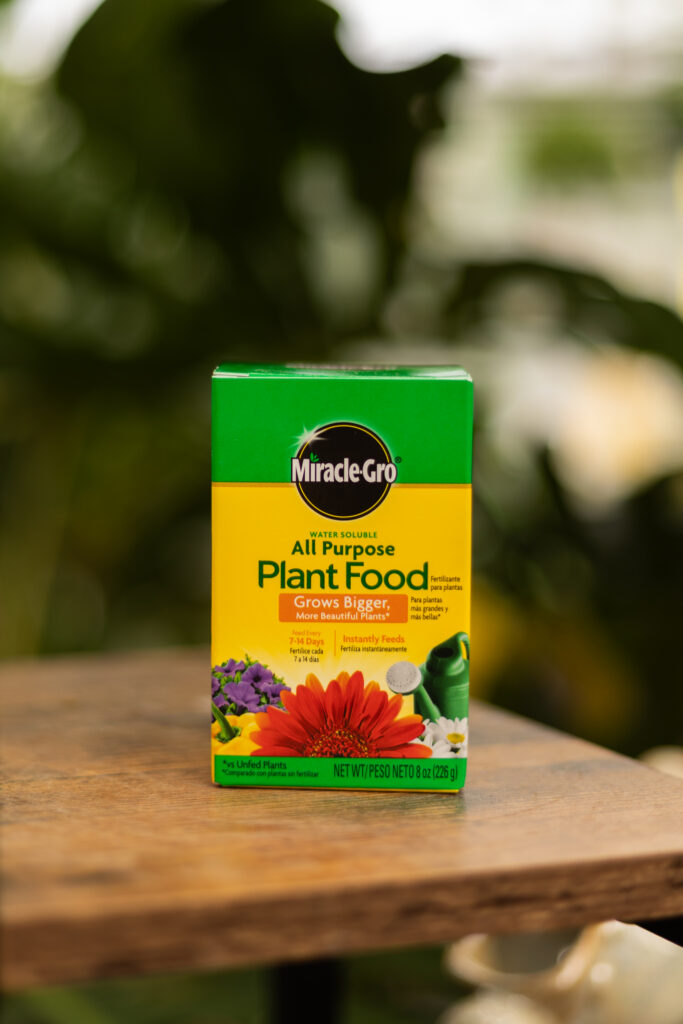
Fertilizer labels often include three numbers, such as 10-10-10 or 20-20-20. These represent NPK, which stands for nitrogen (N), phosphorus (P), and potassium (K). Nitrogen supports leafy, green growth. Phosphorus helps with root development and flowering. Potassium supports overall plant health and resilience.
A balanced fertilizer, with equal numbers, works well for most houseplants. Higher phosphorus fertilizers are best reserved for flowering plants, while foliage plants prefer a more balanced ratio.
Skip the DIY hacks, such as eggshells and coffee grounds, and use a fertilizer specifically designed for indoor plants. These products provide balanced, readily available nutrients that plants can absorb and use right away.
A good approach is to start with a microdose, using less than the recommended amount, and observe how your plant responds. You can gradually increase as needed.
These are some fool-proof favorites available at Sargent’s on 2nd!
Signs of Too Much or Too Little
Even with regular fertilizing, plants can run into issues if nutrients are out of balance.
Watch for these signs:
Weak, stunted, or deformed growth
Yellowing or dropped leaves
Fertilizer burn, which can damage or kill plants
Too much fertilizer is often more harmful than too little, so when in doubt, err on the side of caution.
Observe and Adjust
Your plants will tell you what they need if you pay attention. Active growth, healthy color, and steady development are good signs your routine is working. Yellowing leaves or slow growth may point to a need for adjustment.
Fertilizing is one of the simplest ways to support healthy houseplants. With a consistent routine and a little observation, you can help your plants grow stronger, look better, and bring more life into your home.
If you ever feel unsure, our team at Sargent’s is always happy to help you choose the right fertilizer and feeding schedule for your plants!