
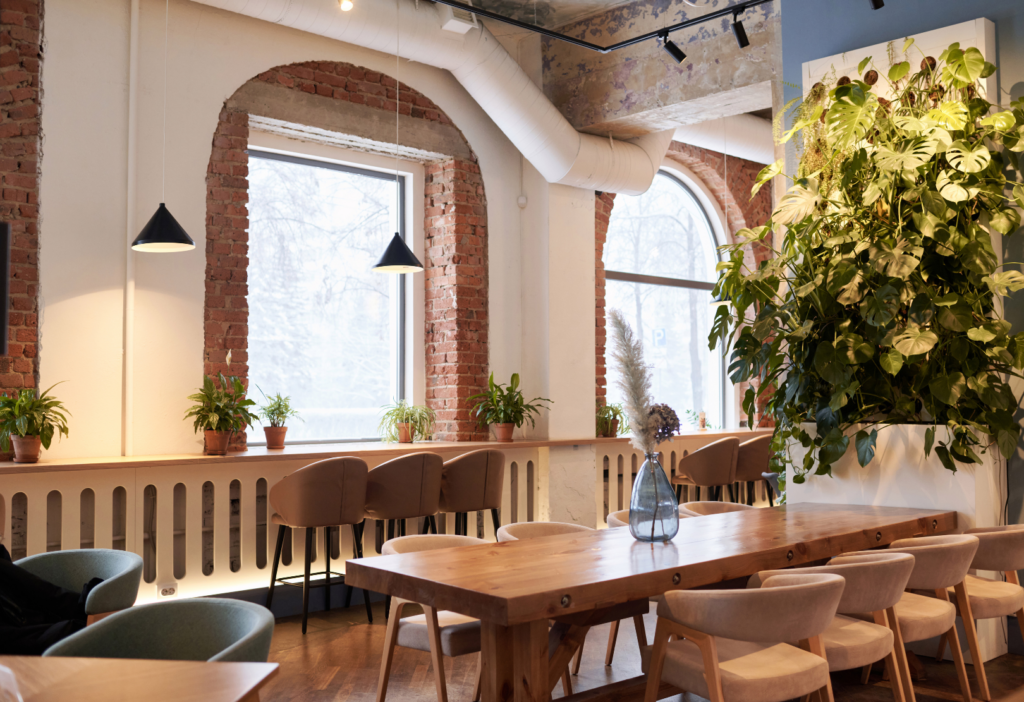
Walk into a Rochester lobby, office, or restaurant on a gray February afternoon and a healthy wall of greenery changes the mood of the whole room. Getting that look to last through Minnesota’s dry, heated winters takes planning, the right plants, and steady upkeep. This guide breaks down what a professional plant installation covers, what ongoing care costs, and how to decide what fits your space.
What Is Interior Plantscape Design?
Interior plantscape design is the planning, selection, installation, and care of living plants inside a building. It goes well beyond setting a few pots near a window. A plantscape team studies your light, layout, traffic flow, and brand, then builds a plant program that stays healthy and looks intentional year-round. If you want to see how Sargent’s approaches it, our interior plantscape services page explains the process from first visit to ongoing care.
What a Plantscape Project Includes
Most projects follow the same core steps, though the scope depends on the size of your space.
Site Assessment and Planning
Every project starts with a walkthrough. A designer measures the space, notes windows and fixtures, and checks light levels at different times of day. They also ask how the space is used, because a busy reception area needs sturdier plants than a quiet private office.
Plant Selection and Sourcing
Plants are matched to the conditions in your building, not just to a style. Low-light corners call for tough, forgiving varieties, while bright south-facing windows allow more variety. Our houseplant selection shows the range of foliage and flowering plants we grow and carry in the Rochester area.
Containers, Stands, and Styling
Containers do as much design work as the plants. A good plan considers scale, color, material, and drainage so water never damages floors or furniture. Taller specimens anchor entries, while trailing plants soften shelves and counters.
Installation and Placement
Installation is usually done on a schedule that avoids disrupting your business. Plants are placed, staged, and adjusted so they look balanced from the angles people actually see them.
Matching Plants to Your Light
Light is the single biggest factor in whether an indoor plant thrives or declines. Southeast Minnesota gets short, weak winter days, so a spot that works in July may struggle by December. Our guide to houseplant lighting explains how to read the light in your space and choose accordingly. Where natural light falls short, supplemental grow lights can fill the gap.
Plants That Hold Up in Commercial Spaces
Durability matters when a plant has to survive foot traffic, vents, and inconsistent watering. Several species handle these conditions well:
- Snake plants, which tolerate low light and missed waterings
- ZZ plants, which handle dim corners and dry air
- Pothos, which trails nicely and recovers quickly
- Rubber plants, which add height and bold texture
- Philodendrons, which adapt to a wide range of conditions
For more options that tolerate imperfect conditions, browse our list of hardy houseplants.
What It Costs to Maintain a Plantscape
Maintenance is where many people underestimate the budget. Installation is a one-time cost, but healthy plants need regular attention. Ongoing service typically covers watering, pruning, cleaning leaves, rotating plants, fertilizing, checking for pests, and replacing anything that declines. Costs vary with the number of plants, their size, and how often visits are scheduled.
Factors That Affect Your Monthly Cost
| Cost Factor | How It Affects Price |
|---|---|
| Number of plants | More plants mean more service time |
| Plant size | Large floor specimens take more care than desktop plants |
| Visit frequency | Weekly visits cost more than biweekly or monthly |
| Light conditions | Low-light spaces may need more plant replacements |
| Container type | Self-watering planters can reduce visit time |
| Seasonal changes | Holiday displays add a separate cost |
Typical Service Schedules
| Space Type | Common Visit Schedule |
|---|---|
| Small office or reception | Every two to four weeks |
| Large lobby or atrium | Weekly or biweekly |
| Restaurant or retail | Weekly, with seasonal refreshes |
| Medical or hospitality | Weekly, often with stricter cleaning needs |
Exact pricing depends on your project, so the most reliable way to budget is to request a custom quote.
Why Rochester Winters Change the Plan
Heated buildings in Minnesota often drop to very low humidity from late fall through early spring. Dry air stresses tropical plants, causing brown leaf tips, leaf drop, and pest problems like spider mites. A local plantscape plan accounts for this by choosing resilient species, adjusting watering, and monitoring plants more closely in winter. Local knowledge also helps with timing, since plants delivered during a cold snap need careful protection on the way in.
Keeping Plants Healthy Between Visits
Even with professional service, a few habits help plants last longer. Avoid placing them directly under heating vents, and keep them away from cold drafts near entrances. Overwatering is the most common cause of plant loss, so resist the urge to water on a fixed routine without checking the soil. Our tips on feeding your houseplants cover how and when to fertilize, and our houseplant myth-busting guide clears up common mistakes.
Is a Plantscape Worth the Investment?
For many businesses, the answer is yes. Greenery softens the look of a workspace, makes waiting areas feel more welcoming, and gives employees and visitors something pleasant to look at. A well-planned program also avoids the waste of buying plants that quickly die. If you are also planning outdoor improvements, our landscape design and installation team can help your exterior match the style you create inside.
How to Get Started
Begin by gathering a few details: the size of your space, the number of windows, and any style preferences. From there, a designer can recommend a plan and a realistic maintenance budget. You can schedule a design consultation to talk through your goals, or check our hours and locations if you would like to visit in person and see plants firsthand.
Frequently Asked Questions
Q1. What is included in an interior plantscape project?
A typical project includes a site assessment, plant and container selection, installation, and an optional ongoing maintenance plan covering watering, pruning, and plant replacement.
Q2. How much does plantscape maintenance cost per month?
The price depends on plant count, plant size, and visit frequency. A small office costs far less to maintain than a large lobby, so a custom quote is the best way to get an accurate number.
Q3. Which plants work best in low-light offices?
Snake plants, ZZ plants, and pothos are reliable choices because they tolerate dim light and occasional neglect.
Q4. How often should plants be serviced in a commercial space?
Most spaces do well with visits every one to four weeks, depending on the size of the installation and how visible the plants are to customers.
Q5. Do plants really struggle in Minnesota winters indoors?
Yes. Low humidity and short days stress many tropical plants, so choosing hardy varieties and adjusting care in winter makes a big difference.
Q6. Can I add plants to a space I have already furnished?
Absolutely. A designer can work around your existing layout, furniture, and lighting to suggest plants and containers that fit.
Contact Us
Ready to bring healthy, long-lasting greenery into your Rochester space? Reach out to Sargent’s Gardens today.
Sargent’s Gardens
Phone: 507-289-0022
Contact our team