8 Steps to Prepare Your Garden For the First Frost
Now that October is here, the growing season is beginning to wind down. This month may bring the first frost, or even freeze, of the season. There are a few things you can do now to help your garden make it through winter and get off to a strong start next spring. Winter will arrive whether we’re ready or not, so take advantage of these last few weeks in the garden to give your plants and soil a head start.
Frost Vs. Freeze
Frost forms when surfaces, such as plant leaves and the ground, lose heat on clear, calm nights. This can happen even when the official air temperature, measured a few feet above the ground, remains above 32°F. A freeze occurs when the surrounding air itself reaches 32°F or colder. Frost is generally lighter and tends to damage the outer, more delicate parts of plants, while a hard freeze can freeze the water inside plant cells, causing them to rupture and often bringing the growing season to an end for tender annuals. Either way, a little preparation can go a long way toward protecting your garden.
A Frost Advisory is generally issued when air temperatures are expected to reach 33°F to 36°F and conditions are favorable for frost to form. A Freeze Watch or Warning is issued when widespread air temperatures are expected to drop to 32°F or lower.
8 Steps to Preparing Your Garden For the First Frost
1. Cover Delicate Plants
A little protection can make the difference between enjoying your plants for another few weeks and losing them to the first cold night.
Cover delicate plants and cool-season crops with frost cloth, burlap, or lightweight blankets.
Secure the edges with stones, soil, or another weight so cold air cannot easily blow underneath.
Prop covers up with stakes or hoops whenever possible so the fabric doesn’t crush the foliage. Avoid letting plastic directly touch plant leaves, as it can transfer cold and cause damage where it contacts the foliage.
Remove covers the next morning once the sun is up and temperatures rise above freezing. Plants still need sunlight and air circulation, and leaving them covered during the day can create unnecessarily warm or humid conditions.
2. Harvest Tender Crops and Cut Flowers
Gather anything that won’t tolerate cold temperatures.
Pick warm-season vegetables such as tomatoes, peppers, squash, and cucumbers before frost damages them.
Gather green tomatoes and bring them indoors to ripen on a sunny windowsill or counter. You can also let them ripen slowly in a slightly cooler location away from direct sunlight.
Cut tender herbs such as basil. Frost-hardy herbs such as sage, thyme, and rosemary can generally remain in the garden until freezing begins.
Don’t forget about cut flowers! Bring in flowers from tender annuals and any blooms you’d like to enjoy indoors before they’re damaged by frost. Sedum, zinnias, and asters are a few flowers that may be worth saving for indoor enjoyment!
3. Clean Up Summer Plants
Once you’ve gathered your summer harvest, clean up the vegetable garden and remove spent annuals and tender plants.
Pull up old tomato, pepper, squash, cucumber, and other warm-season plants and compost healthy plant material. Cleaning up now makes spring garden preparation much easier and removes hiding places for pests and diseases.
Don’t compost plants showing signs of disease. For example, zucchini and cucumber plants commonly develop powdery mildew late in the season. Diseased foliage should be thrown away rather than added to your compost pile, where the disease could potentially spread.
4. Deeply Water Shrubs and Perennials
Plants can benefit from a good drink before the ground freezes.
Thoroughly water garden beds a day or two before a hard freeze, particularly if conditions have been dry. Wet soil holds more heat than dry soil, helping moderate soil temperatures around plant roots.
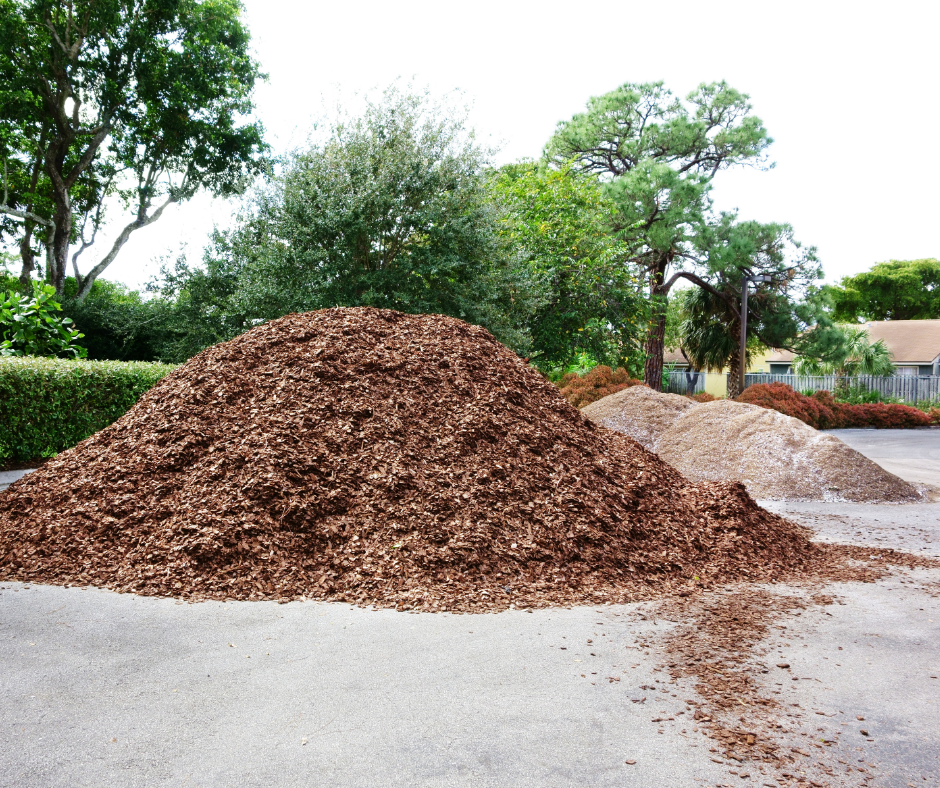
After watering, add a 2-to-4-inch layer of organic mulch such as straw, chopped leaves, or wood chips around perennials. Mulch helps insulate the soil and keeps temperatures more consistent through the winter.
Pay particular attention to newly planted trees, shrubs, and perennials. Their root systems are still becoming established and should not be allowed to go into winter severely dry.
5. Winterize Hoses and Garden Tools
Don’t wait until a hard freeze to put away your garden equipment. Water left in hoses, irrigation components or other equipment can freeze and cause damage.
Drain garden hoses and shut off outdoor water valves.
Pick up garden tools left around the garden and store them somewhere protected from the weather.
Clean up and store tomato cages, wire supports, trellises and other seasonal garden structures.
Clean soil and plant debris from metal garden tools, then apply a light coat of oil to help prevent rust.
Take a few minutes to organize your garden shed now. You’ll be glad to have everything clean and ready to go when spring arrives.
6. Weed, Mulch, and Amend Soil
Fall is an excellent time to get ahead on next year’s garden.
Weeding now can save you considerable work in the spring. Once you’ve pulled weeds, cover bare soil with a layer of mulch such as compost, chopped leaves or other organic material. In landscape beds, top-dress existing wood mulch as needed and place a thicker protective layer over perennials that are more susceptible to winter damage, such as hibiscus.
In the vegetable garden, consider covering empty beds with cardboard to help suppress weeds over the winter. Make sure the cardboard is weighted down well so it doesn’t blow away.
Fall is also a good time to add soil amendments. Applying a quality compost, such as Cowsmo Compost, gives organic matter time to work into the soil and provides nutrients that will benefit next year’s plants.
7. Be Thoughtful About Pruning
The first frost doesn’t mean everything in the garden needs to be cut back. In fact, fall is often a good time to leave many plants alone. The stems and seed heads of many perennials provide winter interest and can offer food and shelter for birds and beneficial insects. They can also help protect the crown of the plant from winter weather.
Remove plant material when appropriate, especially if leaving it in place could contribute to pest or disease problems. However, many healthy perennials can wait until spring for their major cleanup. For example, plants like hostas that hold in moisture can be cut back, while grasses that add winter interest can be kept.
For trees and shrubs, avoid heavy pruning simply as part of your fall cleanup. Late fall is better spent inspecting plants, removing obvious dead or damaged branches, and identifying anything that may need professional pruning later in the dormant season. Some trees, including oaks, have specific pruning windows because of disease concerns, so timing matters.
8. Save Seeds From Your Garden
Before you clean out the garden completely, take a look at what you might want to grow again next year. Saving seeds is an easy way to preserve favorite varieties and make the most of your garden.
Allow seeds to fully mature on the plant before collecting them. Seeds that are still immature may not germinate well. Dry seed heads should be harvested on a dry day, and seeds should be thoroughly dried before being stored.
Label everything! Write down the plant variety and the year the seed was collected. Store completely dry seeds in a cool, dark, dry location in an airtight container. A small envelope or jar with a label can save you a lot of guessing when spring arrives.
Keep in mind that seeds saved from hybrid plants may not produce plants identical to the parent plant. Open-pollinated varieties are generally better candidates for seed saving if your goal is to reproduce the same characteristics next year.
A Little Fall Work Makes Spring Easier
The first frost doesn’t mean the end of this year’s gardening! With a little preparation, you can protect the plants worth saving, clean up the garden, improve your soil, and be ready for next season ahead. Then, when spring rolls around, you’ll have less cleanup to do and a healthier garden ready for another growing season.
If you have additional gardening questions, you can always contact us here.