Mum Care Made Easy

There comes a day every September when it seems like everyone in the world suddenly has mums for sale. From the grocery store to the garden center to the kid down the street. As Rochester’s source of premium plants for over 50 years, we can tell you that not all mums are created equal. In this guide, we’ll cover what makes a good mum, where to find them, and how to best care for them.

What are mums?

Mums (aka Chrysanthemums) are a diverse group of flowering plants native to east Asia. They have also been heavily bred within the industry to offer nearly endless colors and sizes. They are known in the US, and particularly Northern states like Minnesota, as a reliable pop of fall color when many other plants have stopped producing blooms. With the right selection and care, mums will reliably bloom up to (sometimes well past) the first frost.

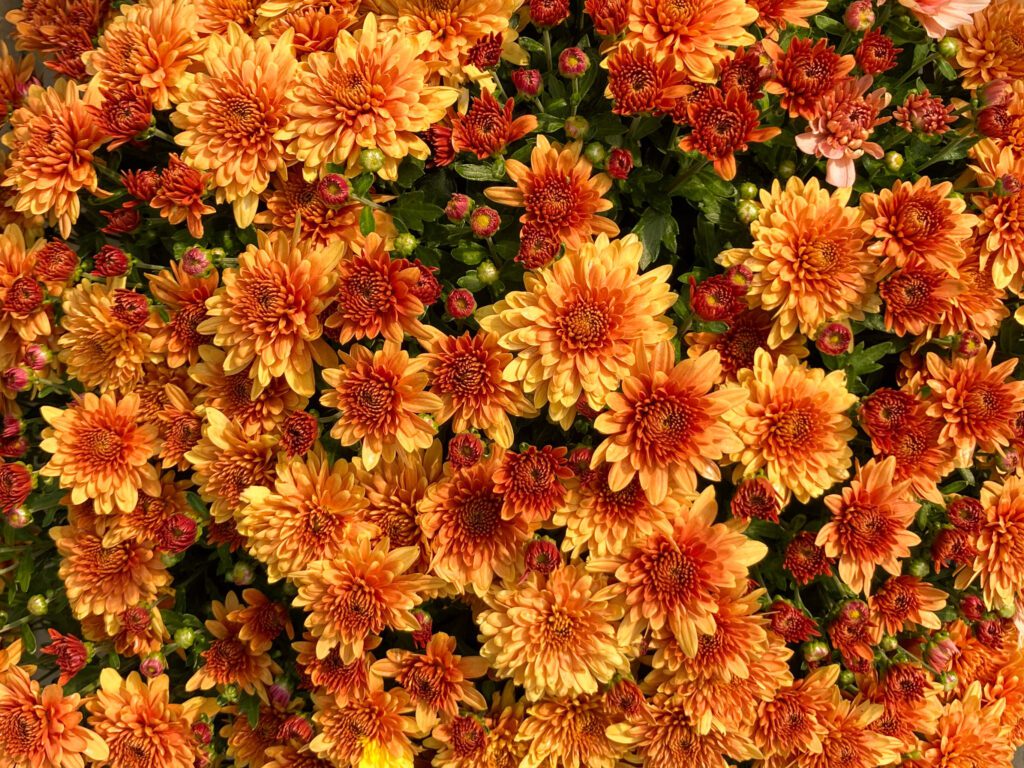
Orange and red potted mum

How to Choose a Healthy Mum

Success with mums starts with selecting the right plant. An unfortunate side effect of their popularity is that a lot of retailers have jumped on the trend to turn a quick buck. You will often see mums at your local grocery or hardware stores. And while these mums look colorful and beautiful, the reality is that they are often near the end of their blooming lifecycle. These plants are typically trucked in from other parts of the country and grown to look their best while sitting on the sales rack. After a few days on your porch, their blooms start to wilt and fade. And within a week, the plant belongs in the compost bin.

To ensure long-lasting mums, locally grown plants from a trusted source will give you some more time to enjoy the color! Local plants are at home in your climate and more stable than those shipped from other states. Transported plants might experience quite a shock on the first 40-degree night.

Additionally, choose a plant that has dense foliage with plenty of unopened buds. Some retailers stock the most colorful plants already in bloom. Afterall, they do look beautiful. But a plethora of unopened blooms is a good sign that the plant has a lot of life left in it. For example, we grow our mums in cycles so that we have a consistent supply of ready-to-bloom plants in stock throughout the entire fall season. So rather than taking a single shipment and trying to sell those same plants for weeks on end, we consistently display fresh inventory.

Maximize Blooms with Proper Care

Repotting – Mums make great container plants. They can be planted by themselves or combined with other seasonal plants, such as decorative grasses or flowering kale, that can really showcase their colors. In either case, your new mum will appreciate being repotted. Mums take a long time to grow. And by the time you bring it home, it has almost certainly outgrown its nursery pot. Giving your mums some fresh soil and a little extra room to stretch their roots will keep them happy well into the fall.

Tip: When replanting mums, dig a hole twice the width and equal to the depth of the current plant. Adding compost soil, such as Cowsmo, will help boost the plant’s growth and encourage roots to reach out. Planting at the same depth will reduce the chance of stem rot. Break up the roots of your plant before placing it in the ground, and your mum will be set up for a great season.

Sunlight – Mums love sunshine. Choose a location that gets 6 hours or more of sun. And keep in mind, shadows have grown longer this time of year. So what was a sunny spot during the summer months may get considerably less sun in September and October.

Water – With all that sunlight and those eye-popping blooms, mums need plenty of water. Water deeply every 2 days at the base of the plant. This is especially important if the weather is abnormally dry or hot. Always keep the soil evenly moist and do not let the plant wilt. It will likely recover with a deep watering, but future blooms will be less vibrant and won’t last as long. One way to ensure mums get a good start is to soak the base of your plant in water for 20-30 minutes once you bring it home, and then keep it watered consistently thereafter.

Deadheading – Like most blooming plants, deadheading can extend blooming considerably. Pinch off any spent blooms and discard. To go the extra mile, clip spent flower stems down to the next bud or leaf.

Protect from Frost – It’s not uncommon to see frost as early as September in some parts of Minnesota. Mums can handle fairly cold nighttime temps, but protecting them from a proper frost will extend their bloom length. Simply cover them with a light fabric, or bring potted mums indoors, to prevent frost damage.


Annual vs Hardy Mums: What's the Difference?

Annual Mums: These plants are bred for maximum, instant color and a dense shape with very few visible leaves. They feature shallow roots, making them unable to survive cold winters. They are best for porch pots, patio planters, and indoor centerpieces.


Hardy Mums: These mums are built with strong root systems and underground runners (stolons) rated for USDA Zones 3–9 (depending on the specific breeding, such as northern-hardy varieties bred at the UMN). Hardy mums can last as perennials with the proper care. Plant them in the ground 6-8 weeks before the first frost for the best chance of survival. 

Most Sargent’s mums are annuals; however, the Mammoth™ variety, bred by scientists at the University of Minnesota, is hardy for zones 4-9 with proper insulation.

Most mums are said to bloom for about 4-8 weeks. By following the guidelines above, you should be getting that or more. If you have any questions or concerns, the experts at Sargent’s are always standing by to help! Happy Planting!