Save Money, Headaches, and Your Future Vision: Why Involve a Landscape Designer Early
Building a new home or undertaking a major remodel is an exciting process, but it’s also one filled with hundreds of decisions, many of which have long‑lasting effects on how your property will ultimately function and feel. One of the most overlooked aspects of early planning is the landscape.
Too often, homeowners assume landscaping comes after the house is built. In reality, involving a landscape designer early in the construction process can prevent costly mistakes and ensure long‑term harmony between the home and the site.
Below are some of the most common examples of how early decisions can create a ripple effect throughout the project, and how a landscape designer can help you avoid them.
When Early Hardscape Decisions Limit Future Options
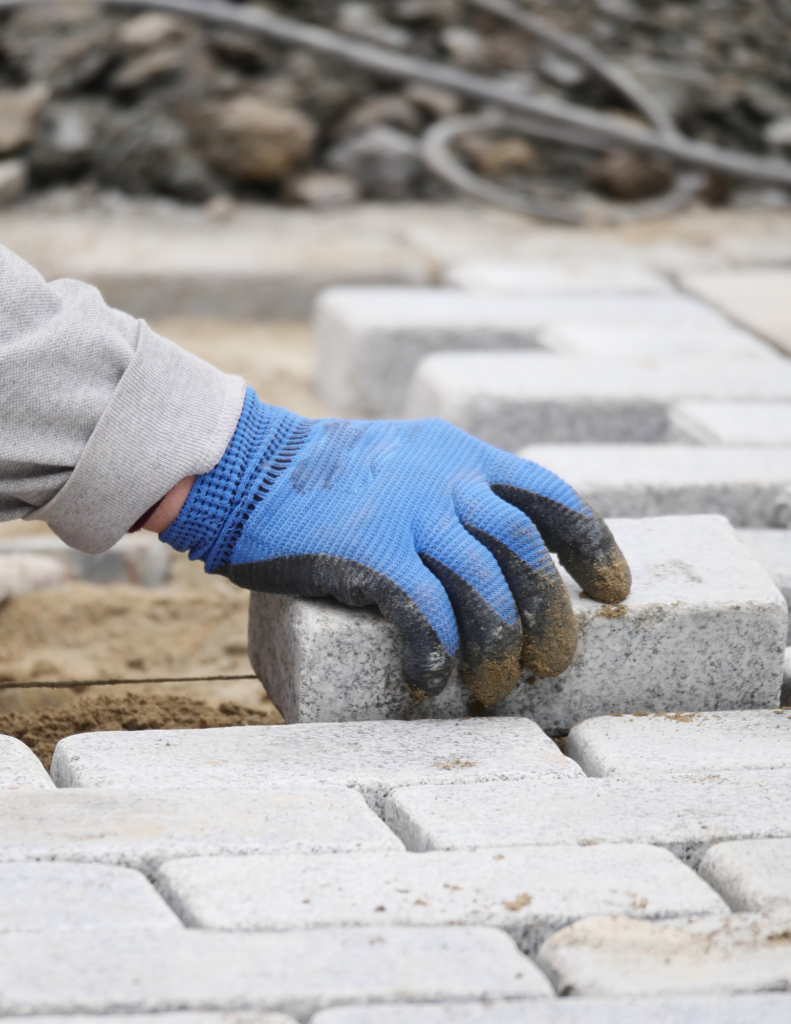
Hardscape elements like sidewalks, patios, and garage aprons may seem straightforward, but installing them too early, or without considering the bigger landscape plan, can dramatically restrict what’s possible later.
One recent Sargent’s client was in the middle of building a new home, and their contractor poured a concrete garage apron very early in the process. At the time, it seemed harmless. But when the client later decided they wanted a turnaround driveway, the placement and size of that prematurely installed apron made it impossible without removing the entire slab.
It was a simple decision made early, but it had major consequences.
Every landscape designer has countless stories like this. These scenarios are frustrating for clients, limiting for designers, and entirely avoidable with early collaboration.
The “Ripple Effect” of Harmless Decisions
A yard is a connected system, and seemingly small choices can have large impacts. For example:
A sidewalk placed a foot too far forward can throw off the usable space in the front yard.
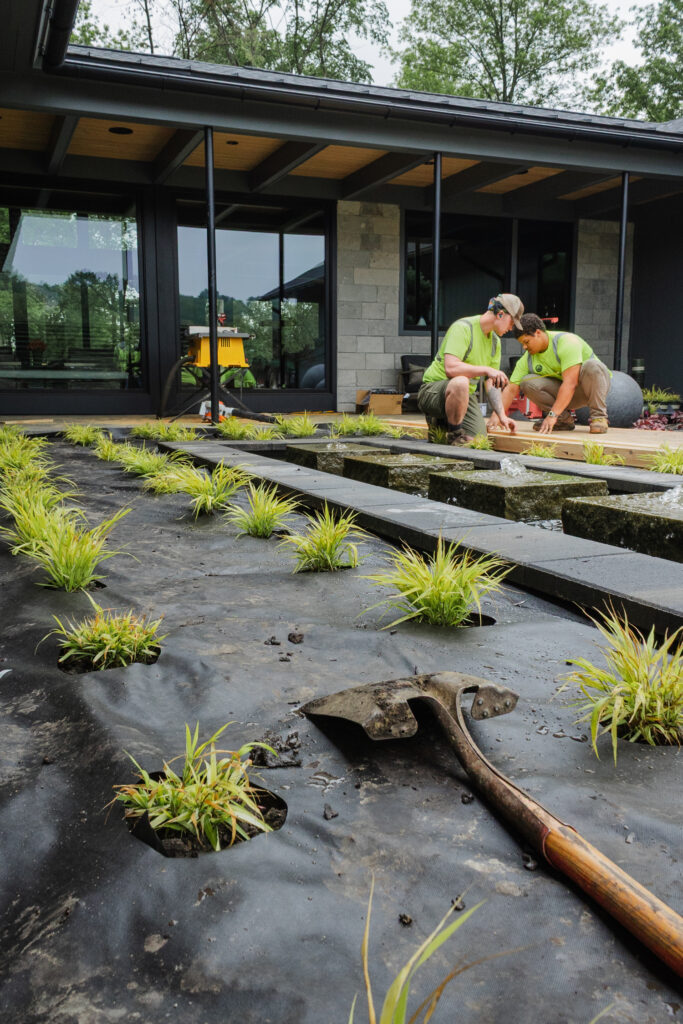
A patio poured without a site plan may interfere with future retaining walls or planting beds.
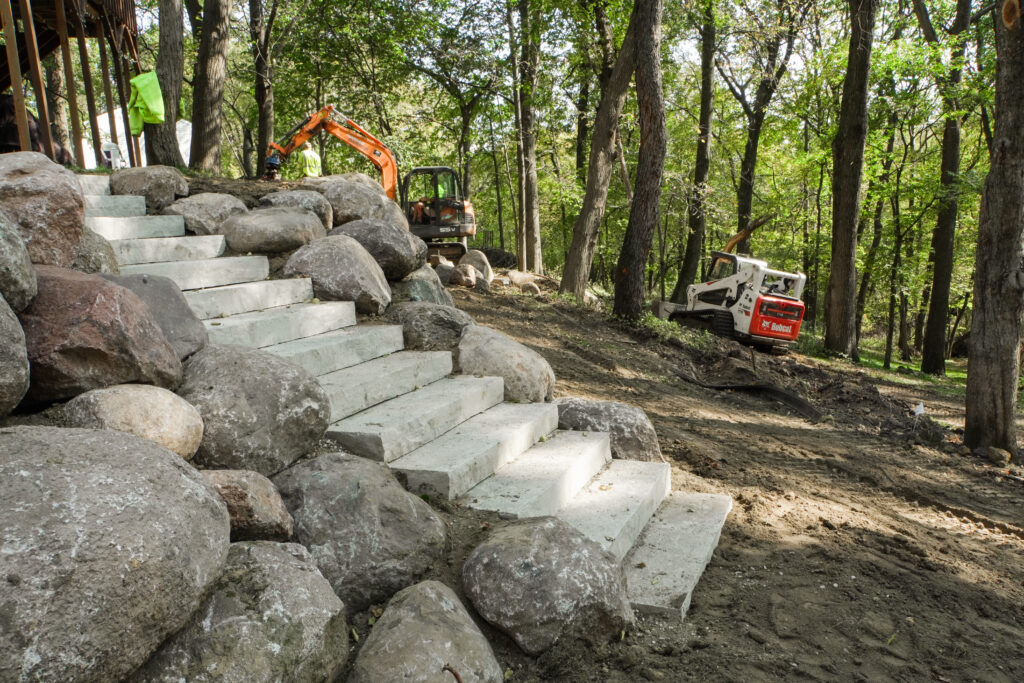
A hastily built retaining wall can disrupt drainage patterns or eliminate the ideal spot for a garden or fire pit.
These aren’t mistakes made out of neglect; they happen because early construction decisions often seem minor. But the landscape depends on how these elements fit together, and revising them later is almost always more expensive.
Preserving Mature Trees and Protecting the Site
Another major benefit of early involvement is environmental preservation. Mature trees add tremendous value and character to a property, but they are vulnerable during construction. Without a designer on site early:
Roots may be compacted by heavy equipment
Grade changes may suffocate or destabilize trees
Construction activity may damage trunks and limbs
Once compromised, even a healthy tree might fail months or years later. A landscape designer or Sargent’s arborist can identify which trees are viable, how to protect them, and whether they are compatible with the long‑term layout.
Beyond trees, early visits allow designers to understand soil conditions, drainage patterns, and microclimates, details that influence the success of future plantings and structural elements.
Why Early Planning Matters
Involving a landscape designer from the start isn’t just about aesthetics; it’s about avoiding preventable costs, protecting your property, and ensuring the final landscape matches the vision you have for your home.
Early design input helps you:
Avoid expensive rework
Protect valuable natural features
Ensure hardscapes are placed correctly the first time
Maximize the flow and usability of your outdoor spaces
Keep your long‑term goals intact from day one
Your house and your landscape should grow together, not compete for space.
If you’re building or remodeling, the best next step is a brief early‑phase consultation with our design team. We’ll walk the site, review your plans, and flag any hardscape or grading decisions that could limit your future options, before they become costly to change.
Ready to Get Ahead of Problems? Let’s Talk.
Reach out to Sargent’s to schedule a site walk or design consult.